
Creative
Placemaking
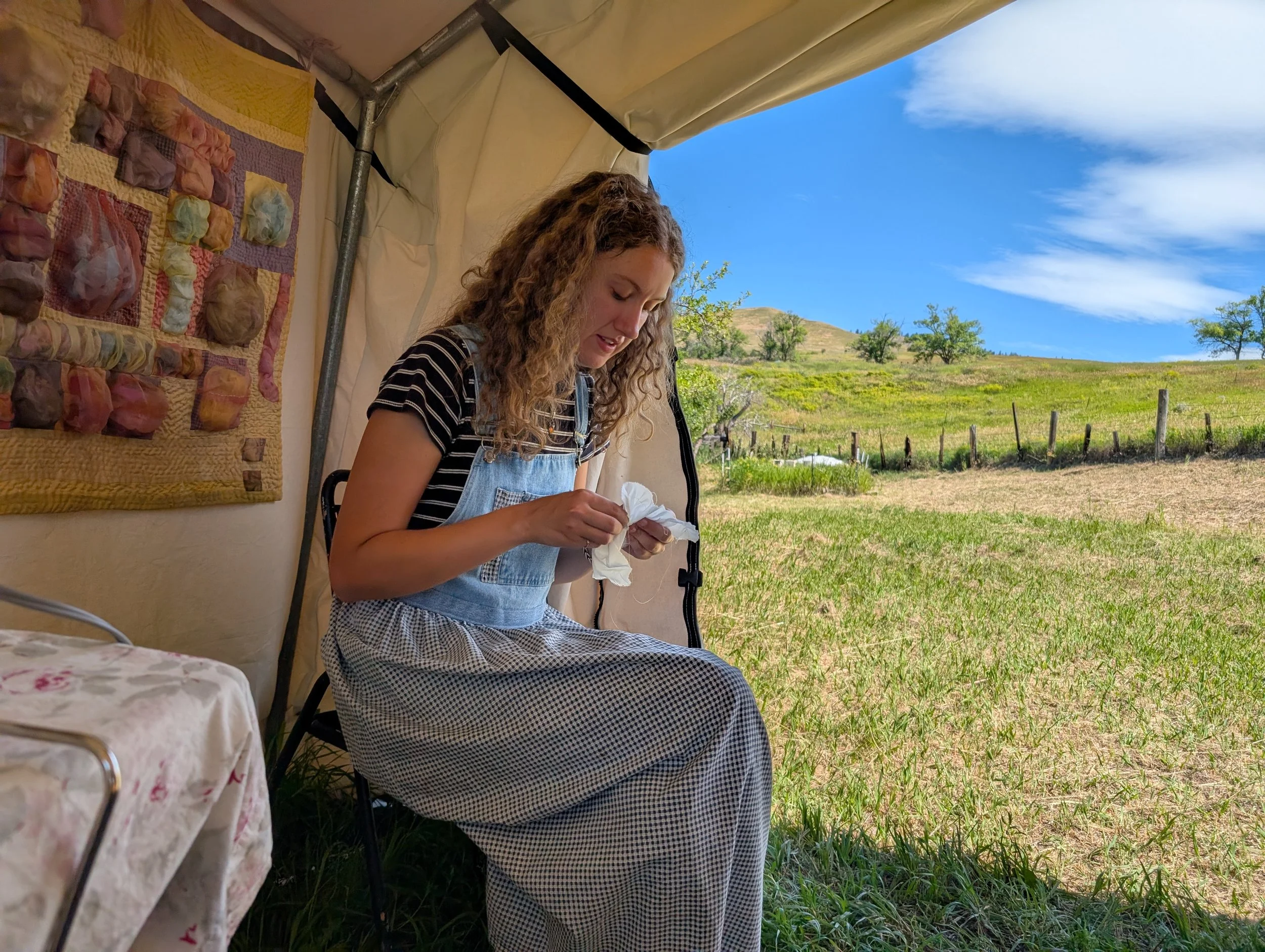
Creative Placemaking integrates arts, culture, and design into community development to strengthen local identity, revitalize spaces, support economic vitality, and build social connection.
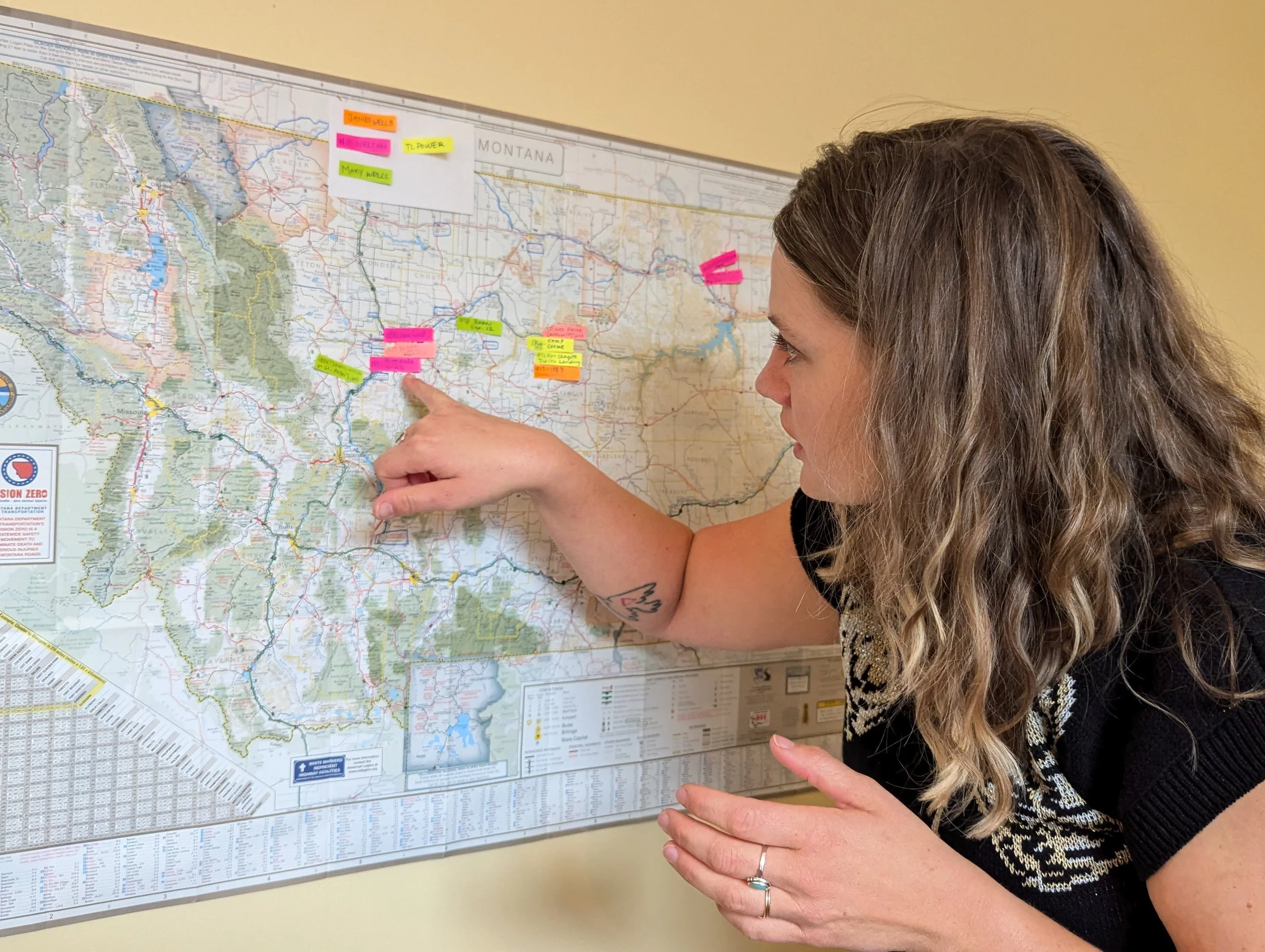
Bringing together artists, cultural organizations, community members, local businesses, nonprofits, and other partner sites allows for a broader range of voices and expertise to shape a project.
Creative placemaking encourages development to happen with the community. Artist-in-Residence brings new ways of seeing and imagining a place, while residents contribute resources, expertise and connections.
A community art event, workshops, artists’ presentations and performances can introduce people and organizations to one another, building lasting relationships toward a shared community goal of investing in each other.
Collaborative Partnerships
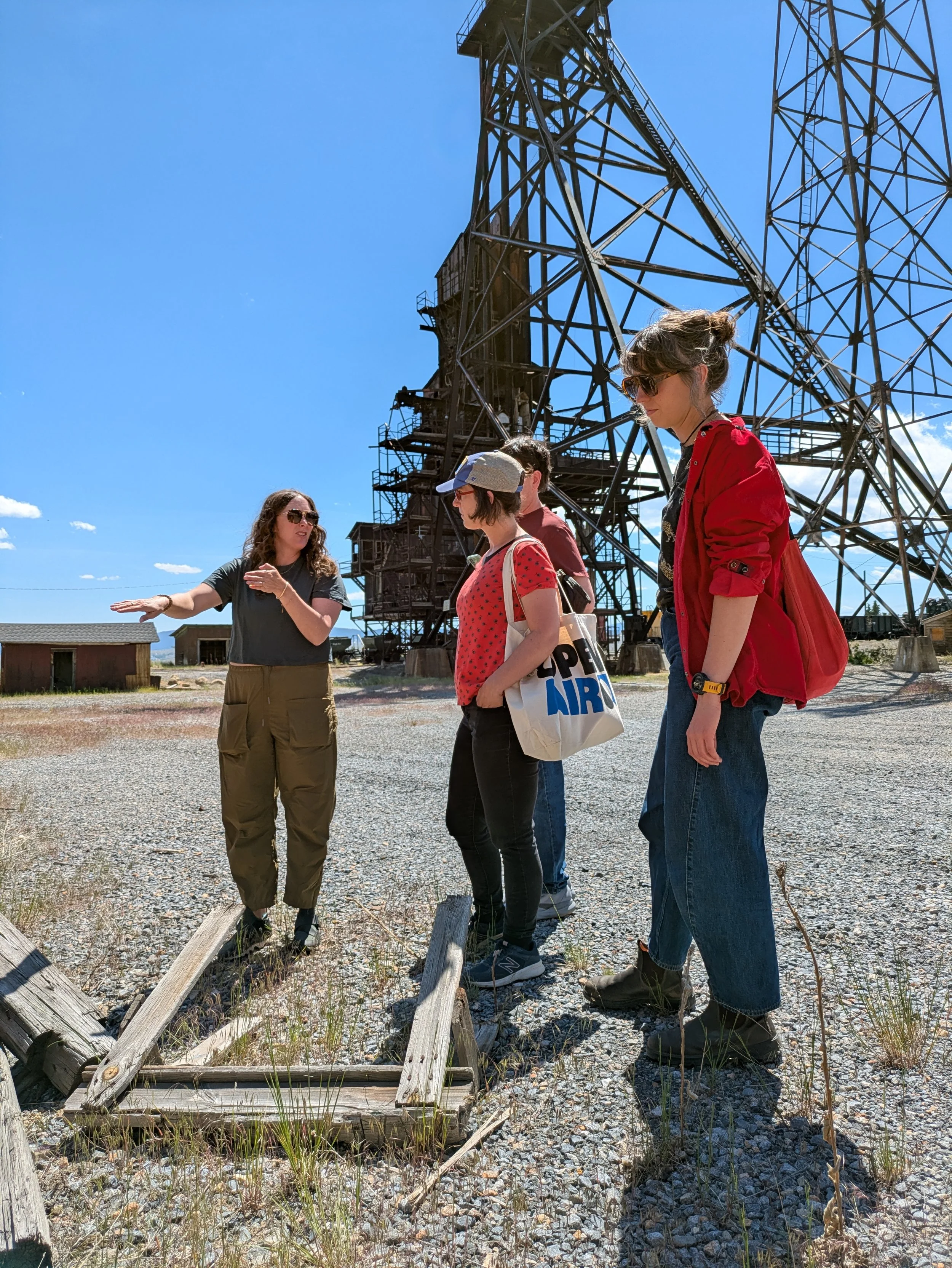
Contributing to a community’s economic vitality by making places more active, distinctive, and inviting. By providing opportunities for artists and keeping resources circulating within the community.
Drawing people into public spaces encourages time spent in a neighborhood, business, or space, creating opportunities for artists and businesses to benefit.
Generating economic activity for nearby businesses and creating a vibrant arts scene to draw people who want to contribute to the identity. Making it a place where people want to visit, live, work, and invest.
Economic Development
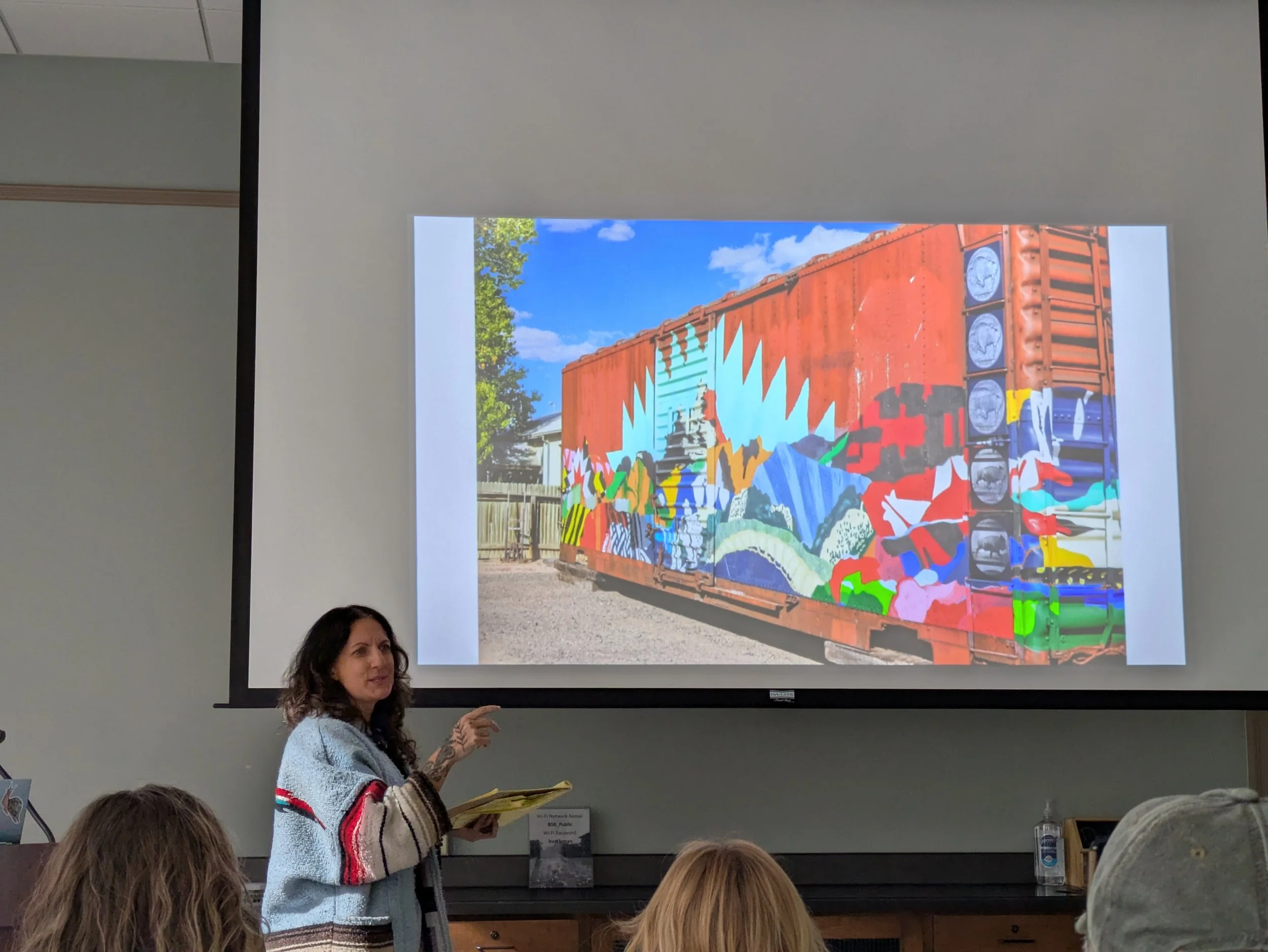
Physical Transformation
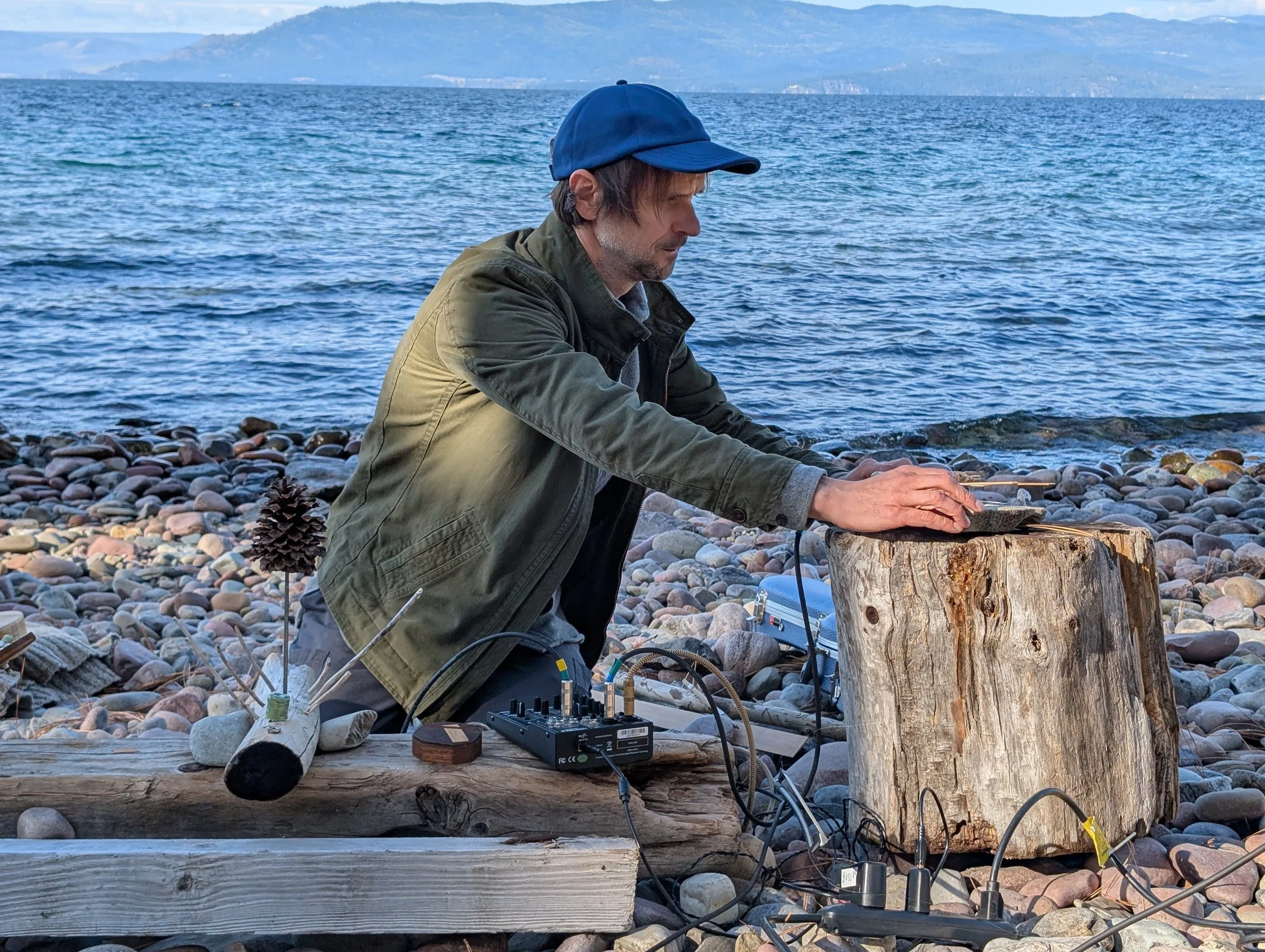
Reimagines the built environment through murals, pop-up galleries, adaptive reuse of vacant properties, and creative infrastructure design.
Artists help communities reimagine the built environment by bringing creativity, experimentation, and local identity into physical spaces.
Changing the way people experience a space can change what they believe is possible there; by finding new possibilities for existing buildings, research spaces, and gardens, we ensure the space remains useful and meaningful into the future.
Social Impact
Investing in the places we live and gather, that carry stories about who belongs there, whose experiences are recognized, and whose voices are heard.
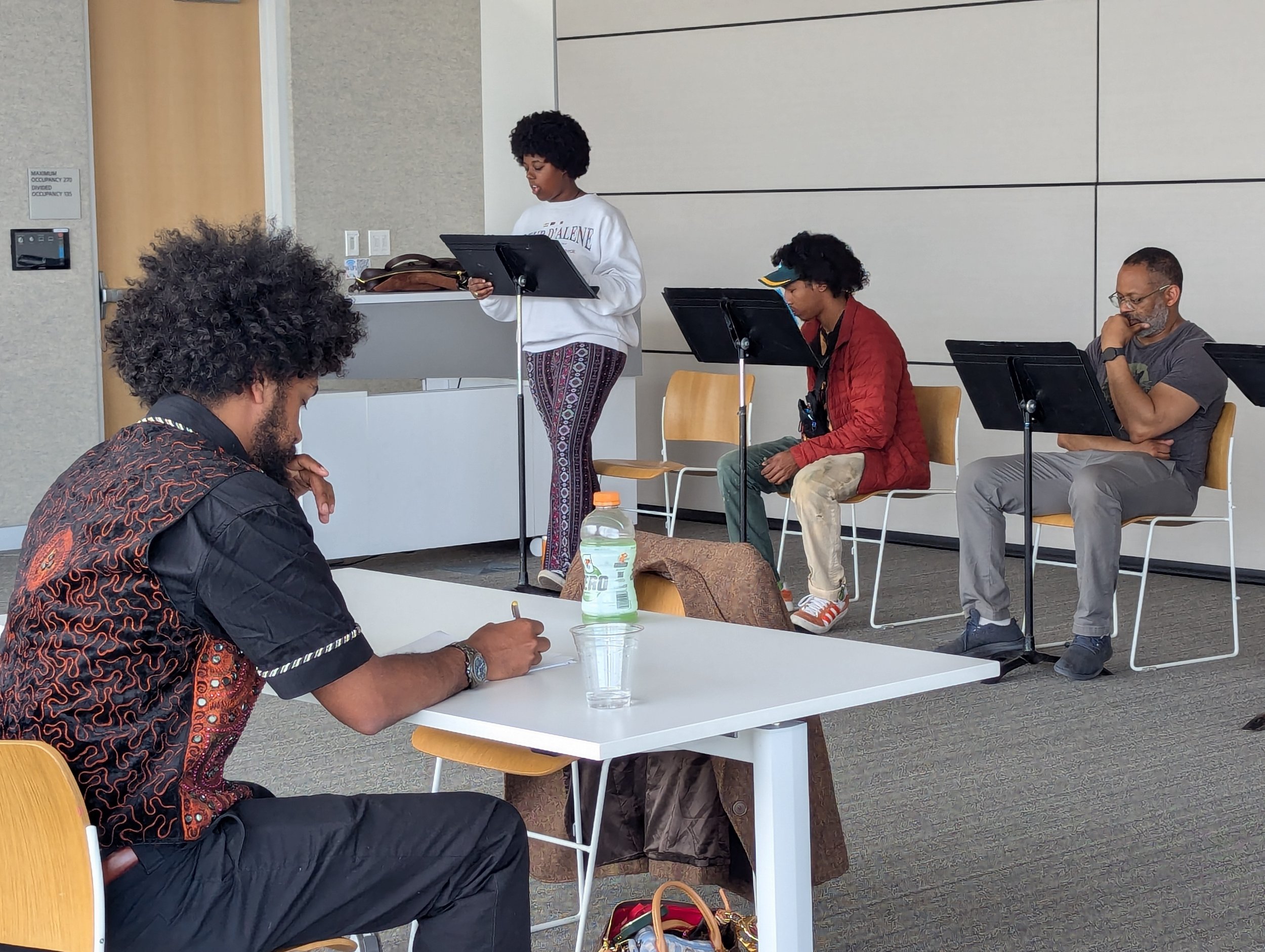
Making space for experiences and perspectives that have been overlooked or underrepresented, inviting contributions to the stories, traditions, and knowledge that help develop a sense of identity and ownership of these special places we call home.
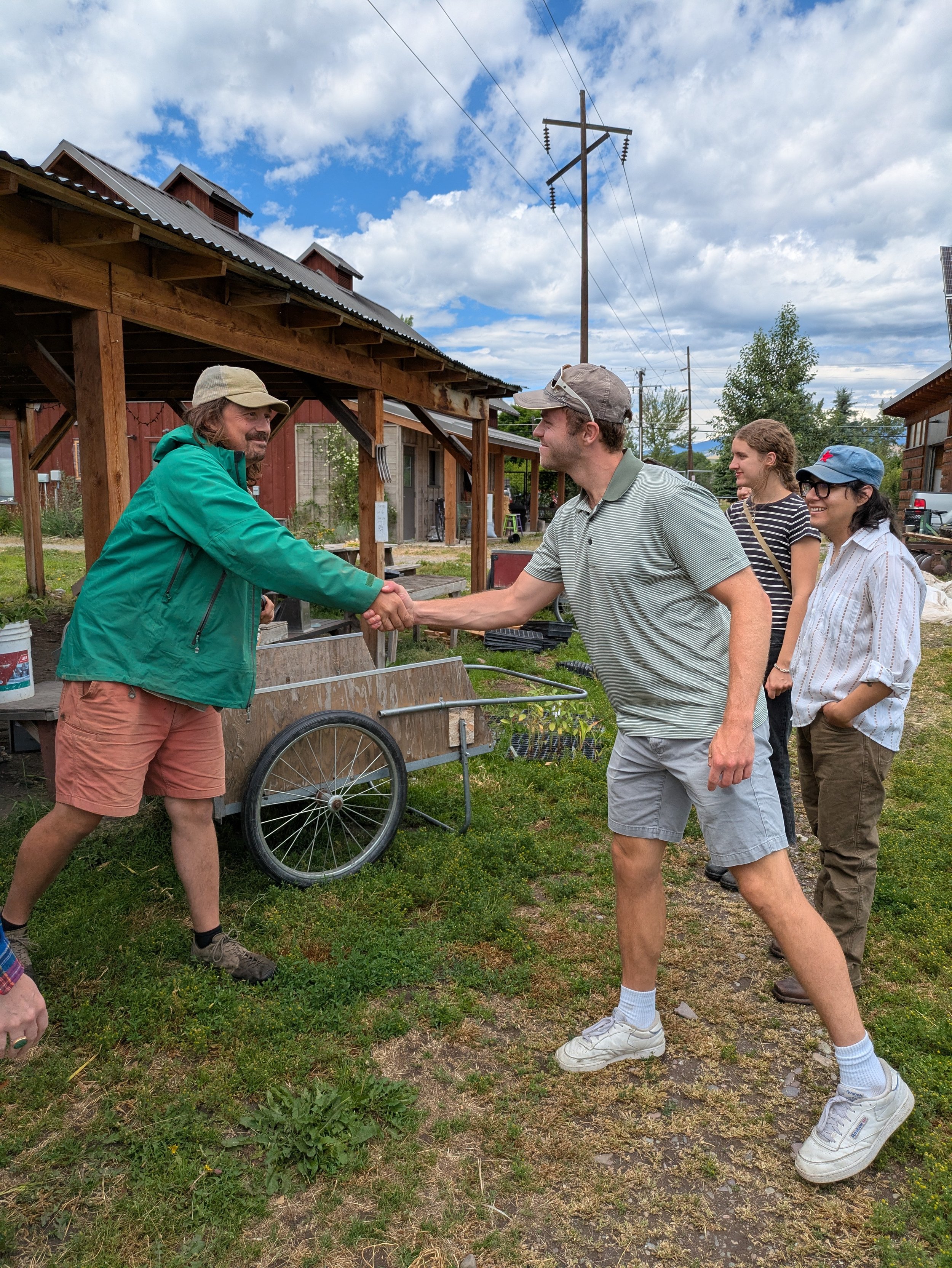
Drawing connections between people who might not otherwise interact by making something together, attending an event, sharing a story, or simply providing a gathering place to strengthen relationships and reduce isolation.